

If you run a small business, you’ve probably heard the term “QuickBooks Bookkeeping Services in Ellicott City, MD” tossed around by accountants, freelancers, or other owners. But what does it actually mean, and why does it matter for your day-to-day operations?
This guide breaks down QuickBooks accounting basics, explains how the process works, and helps you decide whether it’s the right fit for your business.
QuickBooks Bookkeeping, Explained
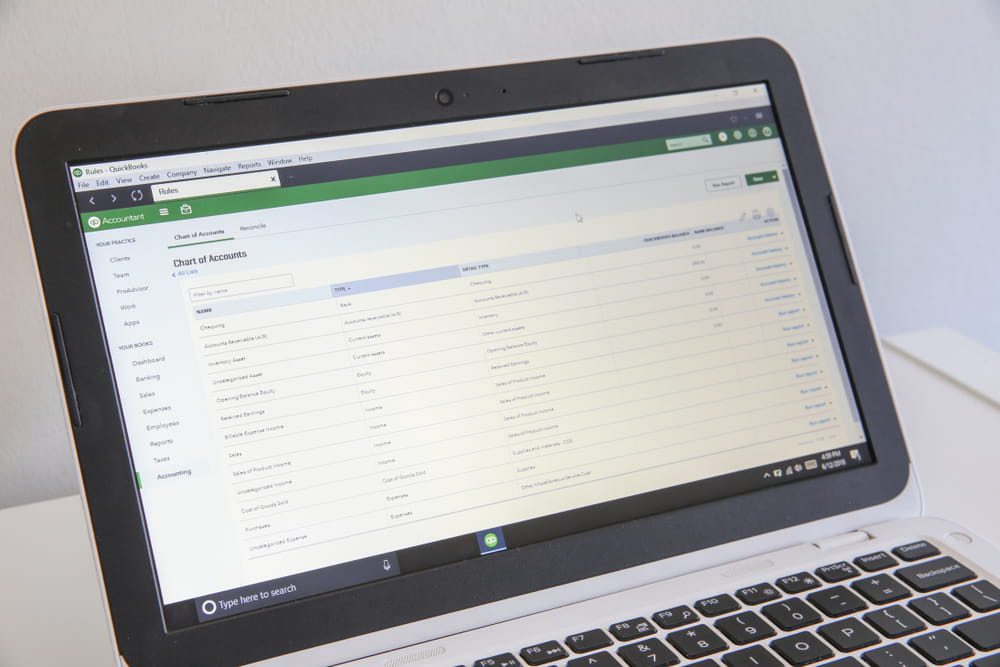
At its core, QuickBooks bookkeeping is the practice of recording, organizing, and managing a business’s financial transactions using QuickBooks accounting software.
This includes:
- Tracking income and expenses
- Reconciling bank accounts
- Managing invoices and bills
- Keeping your financial records accurate and up to date
Instead of relying on spreadsheets or paper ledgers, businesses use QuickBooks online bookkeeping to automate much of this work and keep everything in one place.
Whether you’re a solo freelancer or manage a team of twenty, this system gives you a clear picture of where your money is coming from and where it’s going, all in real time.
What Does a QuickBooks Bookkeeper Do?
A QuickBooks bookkeeper is a professional who manages your books inside the platform. Their day-to-day responsibilities typically include:
- Recording daily transactions
- Categorizing income and expenses
- Reconciling bank and credit card accounts
- Managing accounts payable and receivable
- Generating financial reports
- Preparing your books for tax season
Some business owners handle this themselves, but many choose to outsource it instead. Hiring a dedicated bookkeeper (in-house or remote) frees up time and reduces the risk of costly errors, especially as transaction volume grows.
Is QuickBooks Bookkeeping the Same as Accounting?
This is one of the most common points of confusion, and the short answer is no. Bookkeeping and accounting are related, but they’re not the same thing.
Bookkeeping is the day-to-day recording of financial transactions. It’s the foundation: entering data, categorizing expenses, and reconciling accounts. Accounting, on the other hand, takes that recorded data and interprets it. Accountants analyze financial statements, prepare tax filings, offer strategic financial advice, and ensure compliance with regulations.
Think of it this way: your bookkeeper builds the financial record, and your accountant uses that record to guide bigger decisions. QuickBooks accounting software supports both functions, but the roles themselves are distinct. Many small businesses use a bookkeeper for ongoing maintenance and bring in an accountant periodically for tax planning or high-level analysis.
Why Do Small Businesses Use QuickBooks Bookkeeping?
Small business bookkeeping through QuickBooks has become the industry standard for a few clear reasons:
- It Saves Time: Manual bookkeeping is slow and error-prone. QuickBooks automates bank feeds, categorization, and reconciliation, cutting hours of manual data entry down to minutes.
- It Reduces Errors: Automated matching and built-in checks help catch discrepancies before they snowball into bigger problems.
- It Supports Growth: As your business scales, your books get more complex. QuickBooks is built to handle that complexity, from multiple income streams to payroll and inventory tracking.
- It Simplifies Tax Time: Clean, organized records mean less scrambling in April. Your accountant—or you—can pull reports in seconds instead of digging through receipts.
- It Offers Real-Time Visibility: Instead of waiting for month-end reports, you can check your cash flow, profit and loss, and outstanding invoices whenever you need to.
For these reasons, bookkeeping services for small businesses built around QuickBooks have become a go-to solution across nearly every industry, from retail and e-commerce to professional services and construction.
How Does QuickBooks Bookkeeping Work?
Here’s a simplified look at the process:
- Connect Your Accounts: QuickBooks links directly to your business bank and credit card accounts, pulling in transactions automatically.
- Categorize Transactions: Each transaction gets sorted into the right category (rent, supplies, payroll, income, etc.), either automatically based on rules or manually by a bookkeeper.
- Reconcile Accounts: Your bookkeeper regularly compares QuickBooks records against actual bank statements to make sure everything matches.
- Manage Invoices and Bills: QuickBooks tracks what customers owe you and what you owe vendors, sending reminders and flagging overdue items.
- Generate Reports: Profit and loss statements, balance sheets, and cash flow reports are generated with a few clicks, giving you a real-time snapshot of business health.
- Prepare for Tax Season: With clean, categorized records maintained throughout the year, tax prep becomes far less stressful.
This process can be handled in-house, but many owners prefer outsourced QuickBooks bookkeeping so they can focus on running their business instead of managing spreadsheets.
Let Your Books Work for You
QuickBooks bookkeeping gives small business owners a reliable, efficient way to track their finances without drowning in manual paperwork.
While it’s distinct from accounting, it forms the essential foundation that makes accurate accounting, tax filing, and smart financial decisions possible. Whether you handle it yourself or bring in outside help, understanding how QuickBooks bookkeeping works puts you in a stronger position to manage and grow your business.
If you’d rather hand this off to professionals, our QuickBooks Bookkeeping Services in Ellicott City, MD, are built specifically for small business owners who want accurate books without the daily hassle.
Let Grant & Associates, LLC take the burden off your shoulders so you can focus on other important tasks.

